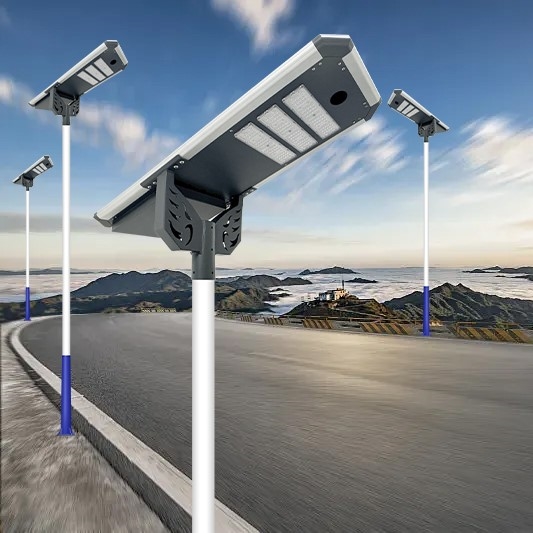


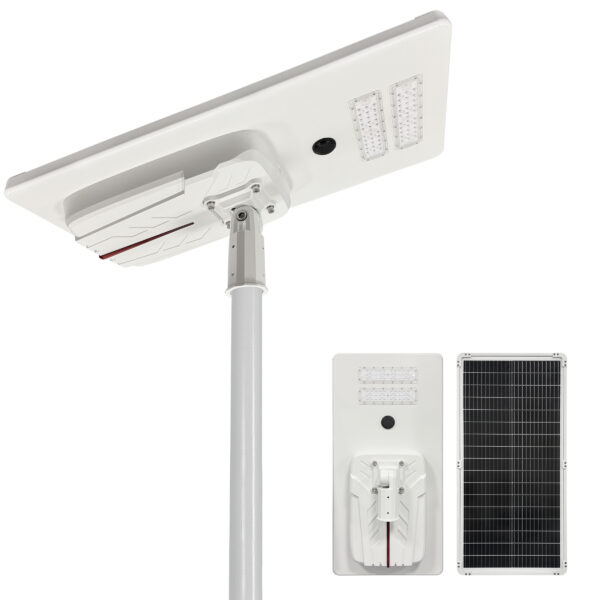
Modern urban planning now prioritizes sustainability and energy efficiency more than ever before. Consequently, solar lighting has become the primary choice for infrastructure projects worldwide. However, a “one size fits all” approach simply does not work for public illumination. You must understand that a quiet park path requires different technical specs than a bustling multi-lane expressway.
Choosing the right solar street lights for different road environments involves analyzing luminous flux, battery capacity, and pole height. Furthermore, regional weather patterns and traffic density play critical roles in your final decision. In this guide, we explore how to match technology with specific road requirements. We will also highlight why Bright Light remains the industry leader in high-performance installations. Let us dive into the technical world of sustainable road safety!
1. High-Speed Arteries: Selecting Lighting for Highway Use
Highways present the most challenging environment for solar technology. Vehicles travel at high speeds, so drivers need maximum visibility and zero glare. Therefore, the hardware must meet the highest industrial standards.
High Lumens and Precision Optics
For these roads, you need solar solutions that deliver at least 15,000 to 20,000 lumens. Bright Light utilizes advanced LED chips that offer high efficacy. These chips ensure the light reaches the asphalt without wasting energy on the sky. Additionally, Type II or Type III light distributions are essential to cover wide lanes uniformly.
Robust Wind Resistance and Durability
Highway poles often stand in open areas with high wind speeds. You must ensure the solar panels and brackets feature aerodynamic designs. Bright Light reinforces its highway series with high-strength aluminum alloys. These materials withstand vibration from passing heavy trucks and extreme weather events.
2. Urban Main Roads and Commercial Districts
City centers experience heavy pedestrian and vehicular traffic throughout the night. Therefore, the lighting must be bright enough for safety but aesthetically pleasing for the urban landscape.
Intelligent Dimming and Motion Sensors
In commercial zones, you do not always need 100% brightness at 3 AM. Smart street lights for different road types include microwave motion sensors or pre-set dimming profiles. This technology saves battery power during low-traffic hours. Consequently, the lights stay functional even after several rainy or cloudy days.
Color Rendering Index (CRI)
Urban environments benefit from a higher CRI. This allows drivers and pedestrians to see colors accurately, which improves safety at intersections. Look for lights with a CRI of 70 or higher to ensure clear visibility of traffic signs.
3. Residential Streets and Neighborhood Paths
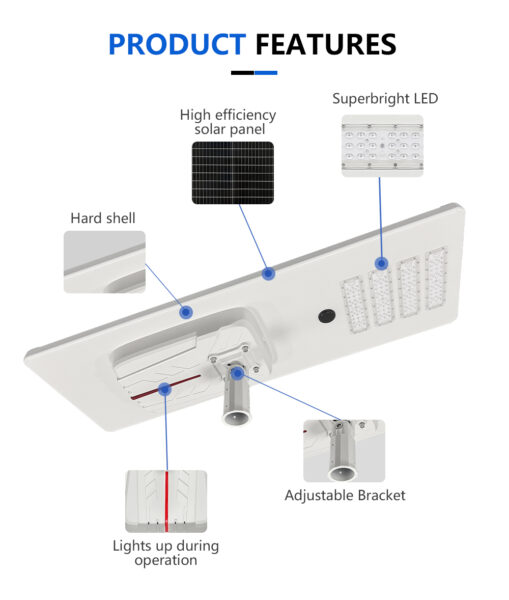
Neighborhood lighting focuses on comfort, security, and the prevention of light pollution. Residents want to feel safe without having bright light shining into their bedroom windows.
Selecting Warm Color Temperatures
For residential areas, we recommend warm white light (3000K to 4000K). This creates a cozy atmosphere and reduces the impact on local wildlife. Bright Light designs neighborhood lamps with “backlight shield” technology. This ensures the light stays on the sidewalk and off private property.
Battery Autonomy for Security
Security is the top priority for homeowners. Your sustainable neighborhood street lighting must have enough battery capacity for at least three backup days. LiFePO4 batteries are the best choice because they offer a long cycle life. They remain reliable for over five years, even with daily deep discharges.
4. Industrial Zones and Logistics Hubs
Warehouses and shipping docks require reliable lighting for 24/7 operations. Efficiency and maintenance costs are the primary concerns for facility managers in these areas.
-
Mounting Height: Use taller poles (8-12 meters) to cover large parking lots with fewer fixtures.
-
High Ingress Protection (IP): Ensure the lights have an IP66 or IP67 rating to block dust.
-
Ease of Maintenance: Choose modular designs where the battery or controller is easily accessible.
Bright Light offers industrial-grade area lights that simplify the installation process. Their “All-in-One” designs reduce labor costs and minimize the need for specialized heavy equipment.
5. Verifying Solar Panel Efficiency
Monocrystalline silicon panels offer the highest conversion rates, usually above 21%. Avoid cheaper polycrystalline options for critical road projects. Bright Light exclusively uses high-efficiency mono panels to ensure maximum charging even in low-light conditions.
Assessing Battery Management Systems (BMS)
The BMS is the “brain” of your solar light. It protects the battery from overcharging and extreme temperatures. A trustworthy manufacturer provides detailed data on their BMS logic. This transparency proves their expertise and ensures the long-term reliability of your investment.
6. Comparison Table for Road Lighting Selection
| Road Type | Recommended Lumens | Ideal Pole Height | Recommended Brand Model |
| Highway | 15,000 – 25,000 | 10 – 12 Meters | Bright Light Highway Pro |
| Urban Main Road | 8,000 – 12,000 | 8 – 10 Meters | Bright Light City Smart |
| Residential Lane | 3,000 – 6,000 | 5 – 6 Meters | Bright Light Home Guard |
| Park / Footpath | 1,000 – 3,000 | 3 – 4 Meters | Bright Light Eco Path |
7. Overcoming Common Challenges in Solar Implementation
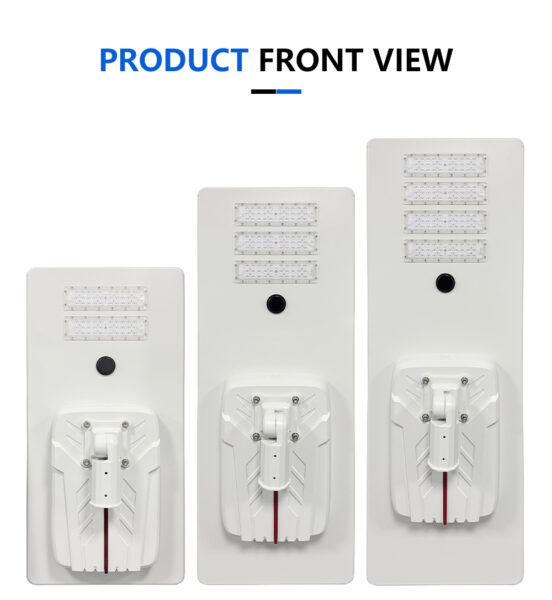
Even the best street lights for different road setups can fail if you ignore environmental factors. You must perform a site survey before purchasing.
Managing Shading Issues
Buildings or trees can block the sun for several hours each day. If shading is unavoidable, use “split-type” solar lights. This allows you to mount the panel in a sunny spot. Bright Light provides flexible cabling options to solve these complex layout problems.
Temperature Extremes
In very hot or freezing climates, battery performance drops significantly. Look for systems with integrated thermal management. High-quality LiFePO4 batteries operate efficiently between -20°C and 60°C. This wide range ensures your lights work in both desert heat and arctic cold.
Lighting the Way Forward
Selecting the right solar street lights is a critical decision for safety and sustainability. You must match the technical specifications to the specific road type. By focusing on lumens, battery quality, and smart controls, you ensure a high return.
Bright Light provides the expertise and hardware needed for every scenario. We help you choose the best street lights for different road projects globally. Don’t settle for generic solutions when lives and budgets are at stake. Trust in professional-grade technology to illuminate your community effectively. Start your green energy transition today with a partner who understands the details!