


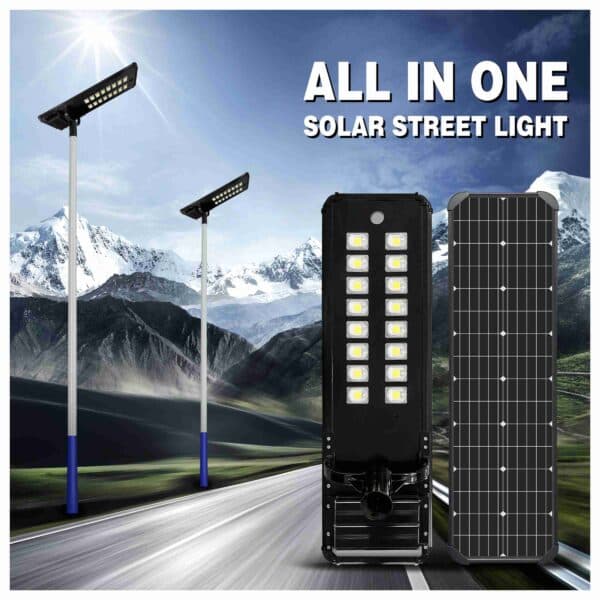
You need outdoor lighting that lasts for years. Extreme heat, heavy rain, or dust storms should not stop your lights. Many buyers worry about cheap materials. That concern makes sense.
But a professional solar street lights factory in China follows strict rules. These factories build products for 10+ years of service. How do they do it? This article walks you through every step.
First, we look at material selection. Then we examine assembly processes. Finally, we cover real-world testing. By the end, you will know exactly what to demand from your supplier.
Why Quality Control Matters for Solar Street Lights
Solar street lights face harsh conditions. They bake under summer sun. They freeze during winter nights. Rain, wind, and dust attack them daily.
Poor quality lights fail within months. You then spend more money on replacements. Worse, dark streets create safety risks.
A reliable solar street lights factory in China prevents these problems. They design for durability from day one. They test every component before assembly. And they verify performance under extreme conditions.
Let us explore their exact methods.
Raw Material Selection: The First Line of Defense
Quality starts with inputs. A top factory never compromises on raw materials.
Aluminum Alloy Housing
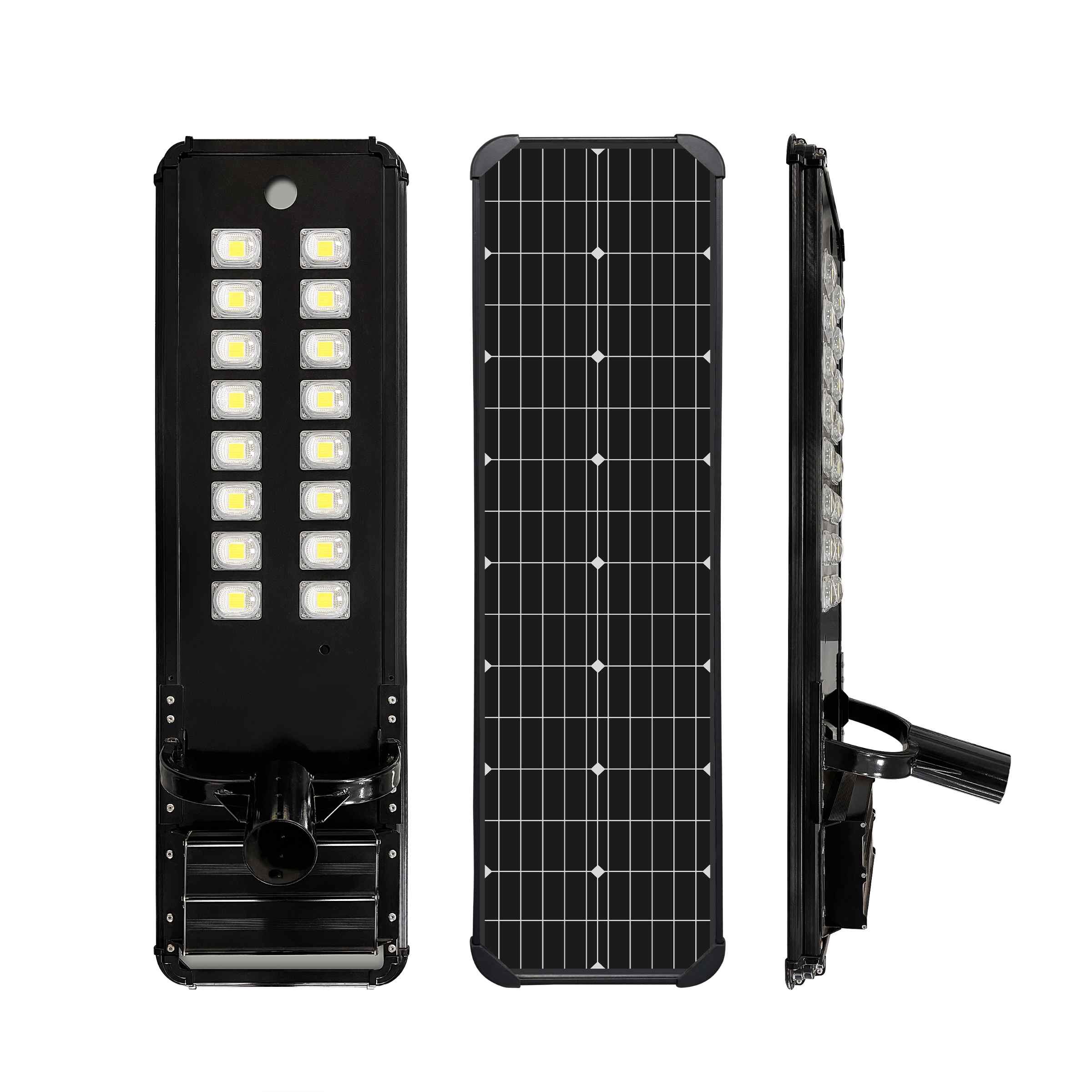
The housing protects all internal parts. Leading factories use marine-grade aluminum alloy (usually AL6063 or AL6061). This material resists corrosion. It also dissipates heat efficiently.
Why does this matter? Heat kills LED chips and batteries. Good aluminum draws heat away quickly. Your lights then last 30% longer.
Learn more about heat management in our guide to LED thermal design for solar lighting.
Tempered Glass Panels
The solar panel needs maximum light transmission. It also needs impact resistance. Cheap factories use standard glass. Good factories use 3.2mm or 4mm tempered glass.
Tempered glass survives hail strikes. It does not yellow under UV exposure. And it maintains 91%+ light transmittance for over five years.
Battery Grade Selection
The battery stores energy for night use. Many low-cost lights use generic lithium cells. These cells lose capacity after 300 cycles.
A professional solar street lights factory in China sources Grade A lithium iron phosphate (LiFePO4) batteries. These cells handle 2,000+ cycles. They also operate in temperatures from -20°C to 60°C.

Precision Assembly: Where Durability Takes Shape
Great materials mean nothing without careful assembly. Modern factories use automated processes to ensure consistency.
Automated Soldering for LED Boards
Hand soldering creates weak joints. Vibration eventually breaks these joints. Your light then flickers or dies.
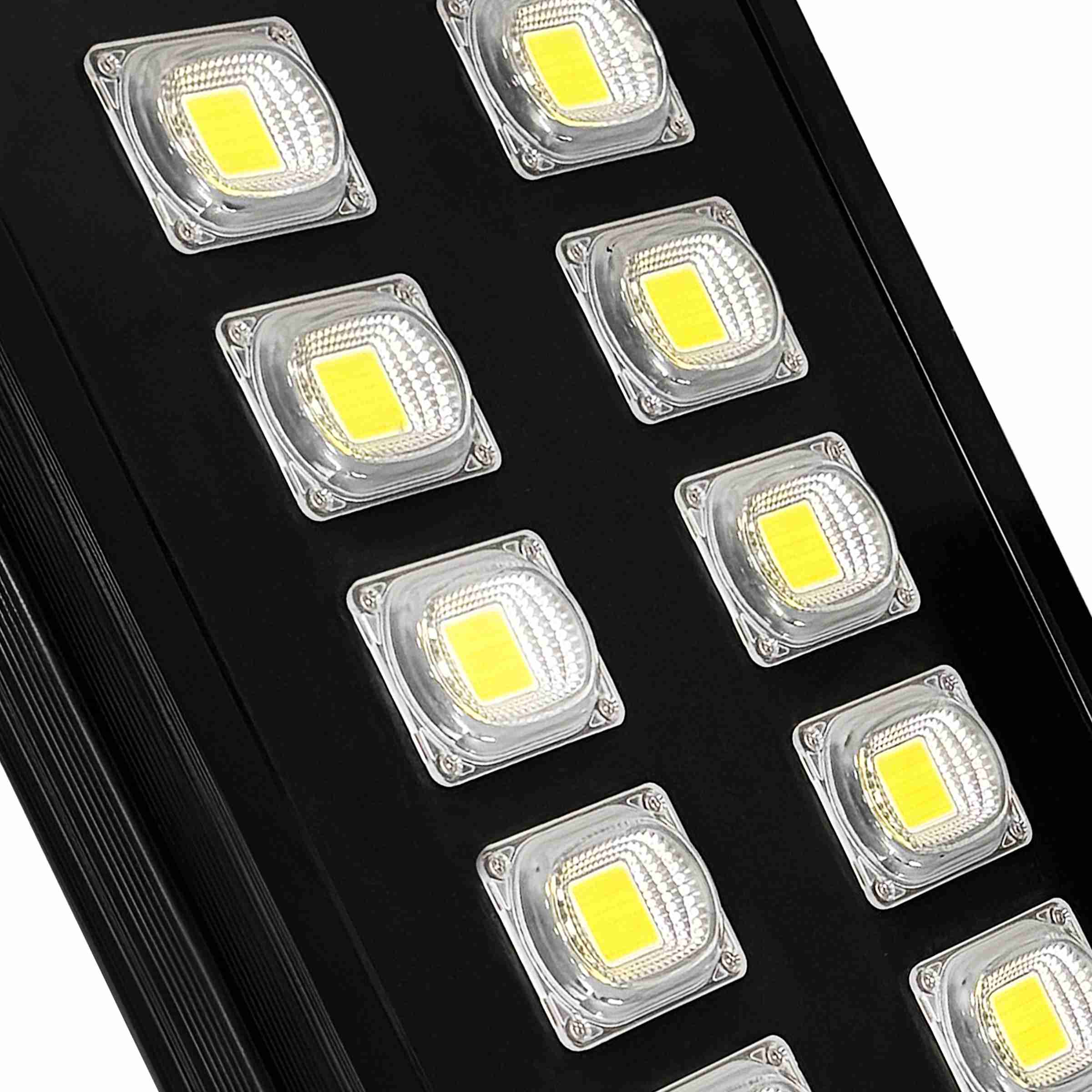
Leading factories use reflow soldering machines. These machines control temperature precisely. Every joint becomes strong and uniform. As a result, the LED board lasts for 50,000+ hours.
IP65 or IP66 Sealing
Water destroys electronics quickly. A solar street lights factory in China must prevent moisture ingress. They achieve this with three steps:
-
Silicone gaskets on every enclosure joint.
-
Potting compound on driver circuit boards.
-
Screw-sealed cable entries with rubber plugs.
Factories then test each light with an IP water jet test. Only units passing IP65 or IP66 leave the production line.
Vibration-Resistant Connections
Trucks and wind create constant vibration. Loose connections cause intermittent failures. Good factories use locking connectors. They also apply thread-locking compound to screws. Every wire gets crimped, not just twisted. Check our detailed checklist: 7 things to verify before buying solar street lights from China.
The 7 Tests That Guarantee Durability
You cannot guess about quality. A serious solar street lights factory in China runs these seven tests on every batch.
1. High-Temperature Aging Test
Workers place lights in a chamber at 60°C for 72 hours. The lights run continuously. Technicians measure light output every 12 hours. Acceptable loss? Less than 3%.
2. Low-Temperature Startup Test
Temperatures drop to -20°C. Lights must start within 3 seconds. They also need to reach full brightness within 30 seconds. This test mimics winter conditions in cold regions.
3. Salt Spray Test (Corrosion Resistance)
The chamber sprays a 5% salt solution for 96 hours. This simulates 3 years of coastal exposure. Good housings show zero rust or pitting.
4. Water Immersion Test
Workers submerge the light in 1 meter of water for 30 minutes. No water enters the housing. This test verifies IP66/IP67 ratings.
5. Mechanical Impact Test
A steel ball drops from 1 meter onto the glass panel. The glass does not break. The housing does not dent. This test simulates hail or vandalism.
6. Charge-Discharge Cycle Test
Batteries go through 500 full cycles. Capacity must stay above 80% of the original. A durable solar street light passes easily. Cheap ones fail before 200 cycles.
7. Thermal Shock Test
Temperatures swing from -20°C to 60°C within 2 hours. This repeats for 20 cycles. No cracks appear. No solder joints break. Electronics function perfectly.
Passing all seven tests takes about 10 days. However, this process ensures your lights survive for a decade.
Certifications: Proof of Quality
Test results matter. Certifications prove them. Reliable factories hold these credentials.
-
ISO 9001:2025 (Quality management system)
-
ISO 14001 (Environmental management)
-
CE & RoHS (European safety and materials standards)
-
IEC 60529 (IP rating verification)
-
LM-80 (LED lumen maintenance)
Ask your supplier for current certificates. Then verify the issuing body. Fake certificates exist. A genuine solar street lights factory in China provides traceable documentation.
Real-World Performance: A Case Study
Let me share an example. In 2024, a Dubai municipality ordered 800 solar street lights from a certified Chinese factory. Dubai has summer temperatures above 45°C. Sandstorms occur frequently.
The factory used AL6063 housing. They installed Grade A LiFePO4 batteries. Every light passed the seven tests above. After 18 months of operation, failure rates stayed below 0.5%. Light output decreased by only 4%. The municipality ordered 2,000 more units in 2026.
This result happens consistently with quality-focused factories.
How to Choose the Right Solar Street Lights Factory in China
You now know the quality methods. Use this knowledge when selecting a partner.
Request Test Reports
Ask for the seven test reports listed above. Do not accept generic statements. Get PDF copies with batch numbers.
Visit the Factory or Request a Live Video Tour
See the assembly line yourself. Check for ESD protection on electronics stations. Look for organized inventory systems. Clean factories produce clean products.
Order a Sample First
Buy 2-3 units before mass production. Install them at your site for 30 days. Measure light output every week. Verify battery performance.
Review Warranty Terms
Good factories offer 5-year warranties on the full system. They also provide technical support via WhatsApp or email. Avoid any supplier offering less than 3 years. Read our step-by-step guide: How to verify a solar street lights factory in China before paying.
Common Red Flags to Avoid
Not every factory delivers quality. Watch for these warning signs.
-
Prices below $50 per unit (impossible for Grade A components)
-
No test equipment visible in factory photos
-
One-year warranty only (indicates low confidence)
-
Refusal to share certificates (hides non-compliance)
-
Pressure for 100% payment upfront (risks your capital)
Walk away from any supplier showing these signs. A quality solar street lights factory in China welcomes transparency.
Long-Term Maintenance: Keep Your Lights Working
Even durable lights need occasional care. Follow these simple steps.
-
Clean solar panels every 3 months. Use a soft cloth and water.
-
Trim nearby trees. Shade reduces charging by 50%.
-
Check for loose bolts twice per year.
-
Replace batteries after 5-7 years of use.
With this routine, your durable solar street lights will operate for 10+ years.
Quality Exists When You Know What to Look For
A leading solar street lights factory in China delivers exceptional durability. They start with premium raw materials. They assemble with automation and precision. Then they verify with seven rigorous tests.
You now understand the entire quality process. Use this knowledge to select your next supplier. Demand test reports. Order samples. Verify certifications.
Do not settle for cheap lights that fail in months. Invest in quality. Your streets will stay bright for a decade.
Ready to find your factory partner? Start with our factory verification checklist. Then request test reports from at least three suppliers. Compare them carefully. Choose the one that shares the most data.